Intake vs Exhaust Valves: Materials, Dimensions & Uses | Gold Auto Part
News Details
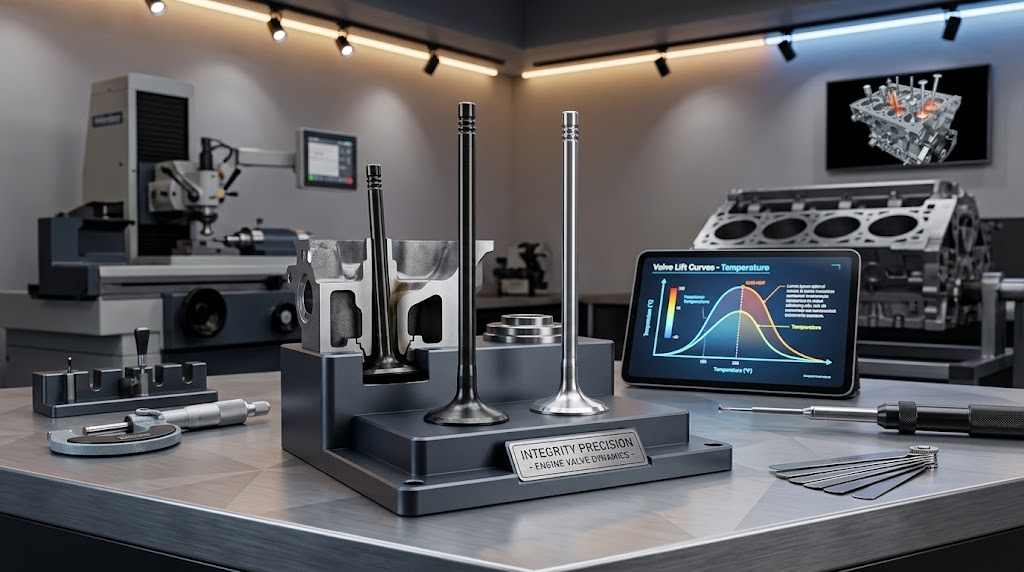
Every internal combustion engine relies on valvetrain components to run smoothly. Among these components, intake and exhaust valves play vital roles in controlling airflow and fuel delivery. Although both valves look similar at first glance, they handle very different tasks, operate at vastly different temperatures, and require unique design specs.
At Gold Auto Part, we supply high-quality engine components built for durability and peak performance. In this article, we will break down the primary differences in materials, dimensions, and real-world applications for intake and exhaust valves so you can make informed choices for your vehicle build or repair.
Understanding the Core Roles:Engine Intake Valve vs Exhaust Valve
To choose the right components, it helps to understand what each valve does inside the combustion chamber.
An engine intake valve opens during the intake stroke to pull a mixture of air and fuel into the cylinder. Because incoming air cools the valve, it operates under moderate thermal stress. Its main job is to maximize airflow into the engine, directly influencing power and efficiency.
An exhaust valve, on the other hand, opens during the exhaust stroke to release burnt gases out of the cylinder. As hot exhaust rushes past, the valve absorbs intense heat—often reaching temperatures well over 1,200°F (650°C). Consequently, exhaust valves must withstand severe thermal cycling and aggressive corrosion without warping or burning.
Material Differences: Built for Heat and Stress
Because the working conditions differ so much, manufacturers use distinct materials for intake and exhaust valves.
-
Intake Valve Materials: Since intake valves stay cooler, manufacturers often make them from alloy steels, chromium-silicon steel, or stainless steel. High-performance or racing applications may use titanium for intake valves because it reduces weight, allowing the engine to rev higher safely.
-
Exhaust Valve Materials: Exhaust valves must endure brutal heat and high pressures. They typically use high-temperature austenitic stainless steel or nickel-based superalloys like Inconel. Some high-duty exhaust valves feature sodium-filled hollow stems. The liquid sodium melts at engine operating temperatures, sloshing up and down to transfer heat away from the valve head to the cylinder head guide.
Choosing the correct material ensures your valvetrain stays reliable over tens of thousands of miles.
Key Dimensions: Head Diameter and Valve Stem Size
When comparing dimensions, the most visible differences between intake and exhaust valves are the head size and the overall stem profile.
Head Diameter
In most engines, the intake valve head is larger than the exhaust valve head. Pushing spent gases out under high cylinder pressure takes less physical space than drawing fresh air in naturally or under mild vacuum. Therefore, the larger head surface area on the intake valve allows maximum airflow during the intake stroke.
Stem Size and Overall Length
The valve stem size—which includes both stem diameter and length—is a critical measurement for proper fitment.
-
Stem Diameter: Intake and exhaust valves within the same engine often share the same valve stem size, but high-stress builds may use thicker stems on exhaust valves for better strength and heat dissipation. Common stem diameters range from 5mm in modern high-revving engines to 8mm or more in heavy-duty engines.
-
Guide Fitment: Matching the precise stem diameter to your valve guide ensures a tight seal, prevents oil leak-through, and stops valve wobble at high engine speeds.
Applications and Replacement Tips
Whether you are rebuilding a daily commuter, upgrading a commercial truck, or tuning a race car, selecting the right intake and exhaust valves makes all the difference.
-
Standard Street Vehicles: Factory-spec stainless steel or alloy valves deliver optimal service life, smooth operation, and great fuel economy.
-
Turbocharged or Supercharged Engines: Forced induction creates higher cylinder pressures and heat. Upgrading to heat-resistant exhaust valves and coated intake valves protects against pre-ignition and thermal failure.
-
High-RPM Racing Engines: Lightweight materials like titanium for the engine intake valve reduce valvetrain float at high RPMs, keeping timing precise.
When replacing valvetrain components, always replace intake and exhaust valves as sets or complete kits. Always measure the valve stem size accurately, check for proper margin thickness, and lap the valves into their seats to ensure an airtight seal.
Upgrade Your Engine Parts withGold Auto Part
Understanding the distinct roles, materials, and measurements of intake and exhaust valves helps you keep your engine running at its best. At Gold Auto Part, we offer top-tier valvetrain components engineered to meet or exceed OEM specifications. Explore our wide range of engine intake and exhaust valves today to find the exact match for your vehicle rebuild.


