What Are Head Lamps Used For?
News Details
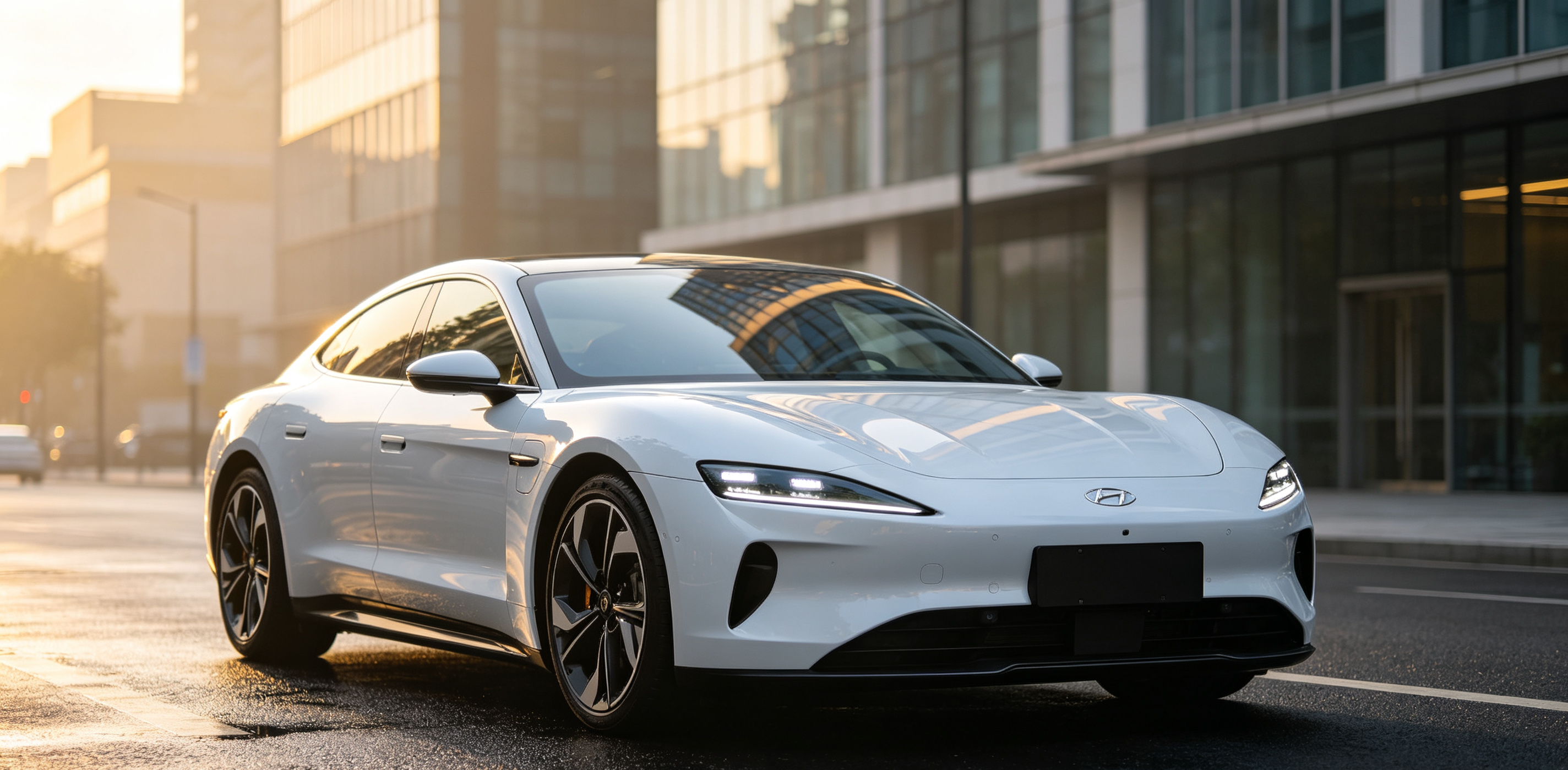
Road safety depends heavily on clear vision during night driving and poor weather. Vehicle lighting plays a vital role in keeping drivers, passengers, and pedestrians safe on every journey. Therefore, every vehicle manufacturer, auto parts distributor, and repair shop relies on high-quality lighting products to meet strict safety standards.
If you manage an auto parts business or order components for a fleet, understanding lighting technology is essential. Many buyers often ask fundamental questions about auto parts before placing bulk orders. What are head lamps used for? How do different lighting systems work? Which options deliver the longest service life for commercial applications?
This popular science guide breaks down everything you need to know about automotive lighting. In addition, we will cover common terminology, primary applications, key industry users, and product options from Gold Auto Part.
What Is Another Name for aHead Lamp and How Does It Work?
Before exploring specific uses, it helps to clarify common automotive terminology. When browsing product catalogs or discussing technical parts with suppliers, you might encounter different names for the same component.
So, what is another name for a head lamp? In standard English, people most frequently call a head lamp a headlight or headlight assembly. In addition, engineers and auto technicians often refer to the complete lighting housing as a headlamp assembly or headlamp unit. While consumers typically say "headlight," the auto manufacturing industry frequently uses the term "head lamp" in technical manuals and export documentation.
How a Car Head Lamp Operates
A modern car head lamp is far more than a simple light bulb attached to the front bumper. Instead, it is a precisely engineered optical assembly designed to project a focused beam of illumination onto the road ahead.
A complete car head lamp housing includes several key parts:
-
The Light Source: A halogen bulb, Xenon HID capsule, or solid-state LED module that creates raw light.
-
The Reflector or Projector: A sculpted inner bowl or glass lens that shapes and directs the light forward.
-
The Front Lens: A clear, durable polycarbonate cover that protects internal components from rocks, rain, and UV rays.
-
The Rear Housing: A plastic base that holds electrical sockets, adjusters, and mounting brackets.
As electricity flows through the circuit, the internal light source turns on. Next, the reflector unit captures those rays and shapes them into controlled beam patterns. Consequently, the driver gains a clear view of the roadway without blinding oncoming traffic.
What Are Head Lamps Used For in Modern Automotive Systems?
The main purpose of a head lamp is to provide forward lighting during dark conditions. However, modern vehicle designs assign multiple critical roles to the primary lighting system.
1. Illuminating the Road Ahead
First and foremost, a car head lamp lights up the roadway at night or inside dark tunnels. Without proper front lighting, operating a vehicle at normal speeds becomes extremely hazardous. Standard systems offer two distinct lighting modes:
-
Low Beam Mode: Projects light downwards and towards the right side of the road. As a result, it lights up lanes and road signs while avoiding glare for oncoming drivers.
-
High Beam Mode: Directs an intense, wide beam straight ahead. Therefore, it provides maximum visibility on rural roads or open highways with no nearby traffic.
2. Making the Vehicle Visible to Others
Illumination is not just about helping the driver see; it also ensures the vehicle gets seen. During overcast days, dawn, or dusk, an active head lamp light signals your presence to oncoming drivers, pedestrians, and cyclists. Studies show that running front lights during daytime reduces head-on collisions significantly.
3. Improving Driving Safety in Bad Weather
Heavy rain, dense fog, and snowfall drastically drop road visibility. In these rough conditions, high-quality head lamp light beams slice through air haze to reveal lanes, road edges, and unexpected obstacles. Modern halogen and LED lamps offer clear color temperatures that make street signs easy to read during bad weather.
4. Housing Integrated Signal Lights
In older car designs, signal lights and main lights were separate units. However, modern auto designs bundle multiple light functions inside one main assembly. Today, a single car head lamp unit often holds:
-
Low beam and high beam bulbs or LED banks.
-
Turn signal indicator lights.
-
Daytime Running Lights (DRLs).
-
Side marker position lights.
By putting all these parts into one light assembly, car makers save engine bay space and streamline front-end assembly.
Who Uses Head Lamps in the Automotive and Industrial Sectors?
Because front lighting is a universal requirement, the demand for high-grade replacement units remains consistently high around the globe. But who uses head lamps? The answer spans multiple commercial and industrial sectors.
1. Auto Repair Shops and Maintenance Mechanics
When drivers experience front-end crashes or lens damage, mechanics replace the broken housing with a new assembly. Auto repair garages keep standard lighting components in stock to service passenger cars, pickup trucks, and SUVs every day.
2. Commercial Fleet Management Companies
Freight logistics businesses, taxi firms, delivery services, and bus companies operate vehicles across long distances every day. For these operations, reliable head lamp light output is essential to prevent costly accidents and keep fleets compliant with transport safety regulations.
3. Auto Parts Wholesalers and Regional Importers
B2B distributors buy bulk quantities of aftermarket and OEM replacement lights to supply retail auto shops, ecommerce sellers, and local jobbers. They look for direct-fit parts that match original factory specifications at competitive wholesale prices.
4. Heavy Machinery and Off-Road Vehicle Operators
Beyond passenger cars, industrial crews use heavy-duty headlights on construction equipment, agricultural tractors, mining trucks, and forklifts. These tough work environments require extra-durable light housings that withstand heavy shocks, dirt, and water spray.
Key Types of Head Lamp Light Options for Vehicles
Automotive lighting technology has advanced rapidly over the past few decades. Today, buyers can choose from three main lighting types, each offering unique benefits for performance and budget.
| Technology Type | Key Operating Characteristics | Main Advantages | Typical Applications |
| Halogen | Uses tungsten filaments enclosed with halogen gas. | Low production cost, simple replacement, reliable warm light. | Standard passenger cars, budget replacement units. |
| Xenon (HID) | Creates an electric arc through xenon gas channels. | Bright white light beam, long coverage range. | Luxury vehicles, performance upgrades. |
| LED (Light Emitting Diode) | Uses solid-state semiconductor diodes. | Fast response time, low energy draw, long service life. | Modern passenger cars, commercial fleets, eco vehicles. |
Halogen Headlamp Assemblies
Halogen lamps remain common across many vehicle models because they are simple to produce and affordable to replace. They produce a warm yellow beam that works well in basic daily driving. However, halogen bulbs convert much of their energy into heat, which gives them a shorter lifespan compared to newer light formats.
Xenon High-Intensity Discharge (HID) Lamps
Xenon HID systems produce light by running high-voltage electricity through a sealed gas tube. This process creates a distinct cool-white or bluish light beam with great distance coverage. While HID units offer excellent brightness, they require external ballasts and take a few seconds to reach full light output.
LED Headlamp Assemblies
Light Emitting Diodes (LEDs) represent the modern standard for vehicle lighting. They light up instantly, draw minimal electrical power, and last for tens of thousands of operating hours. In addition, because LED chips are compact, manufacturers can design sleek, modern housing shapes that improve vehicle styling.
Why B2B Buyers Choose Gold Auto Part for Car Head Lamp Solutions
When sourcing reliable automotive replacement parts, B2B buyers need dependable manufacturing partners. Gold Auto Part (https://www.goldautopart.com/) delivers high-quality auto lighting solutions engineered specifically for global importers, distributors, and repair networks.
Complete Automotive Lighting Product Catalog
Gold Auto Part supplies a broad selection of auto lighting products designed for major vehicle makes and models:
-
Car Head Lamp Assemblies: Direct-fit replacement housings designed for smooth plug-and-play installation.
-
LED Headlight Upgrades: Energy-efficient LED lighting units built for long-term durability and bright road coverage.
-
Tail Lamps & Brake Lights: Complete rear lighting units engineered for optimal rear signal visibility.
-
Fog Lamps & Auxiliary Lights: Durable lower-bumper fog lights that cut through thick moisture and dust.
Rigorous Quality Standards and Durability
Auto lights must withstand harsh vibrations, extreme temperature changes, and road debris. For this reason, Gold Auto Part manufactures every car head lamp with high-grade UV-coated polycarbonate covers and heat-resistant plastic housings. Internal seals keep water out, preventing condensation and electrical shorts.
Flexible Wholesale and Export Services
Gold Auto Part supports B2B partners with tailored manufacturing services. Whether you need bulk wholesale orders, custom product packaging, or OEM-style replacement parts, Gold Auto Part provides competitive pricing and reliable worldwide shipping options.
Essential Maintenance Tips for Your Car Head Lamp Light Assembly
Over time, daily wear and harsh weather can degrade automotive light performance. Proper maintenance helps fleet managers and individual car owners preserve clear road vision and prevent unexpected light failures.
1. Fix Yellowed or Cloudy Lenses
Polycarbonate lenses can oxidation and turn cloudy after years of exposure to sunlight and road chemicals. This fogging blocks light transmission and weakens beam intensity. Restoring or replacing cloudy housings ensures full light output returns to factory levels.
2. Check and Adjust Beam Alignment
If a headlight housing becomes loose or misaligned during driving over rough roads, the beam may point too high or too low. Aiming your lights correctly prevents blinding other drivers while keeping road obstacles clearly illuminated.
3. Replace Light Bulbs in Pairs
When a halogen or HID bulb burns out, the opposing bulb is usually near the end of its service life as well. Therefore, auto technicians recommend replacing front light bulbs in pairs to maintain equal brightness across both sides of the car.
Final Thoughts: Finding the Right Car Head Lamp Supplier
In summary, what are head lamps used for? They provide forward illumination, boost driver safety, communicate signals to surrounding traffic, and protect road users during night driving and bad weather. Knowing how these lighting systems operate allows auto businesses to make smart purchasing decisions.
Partnering with an experienced manufacturer like Gold Auto Part gives your business access to durable, precise, and cost-effective lighting components. Explore the full auto lighting catalog today at Gold Auto Part to find premium replacement parts for your business needs!


