OEM vs Aftermarket Engine Valves: What Distributors Should Check
News Details
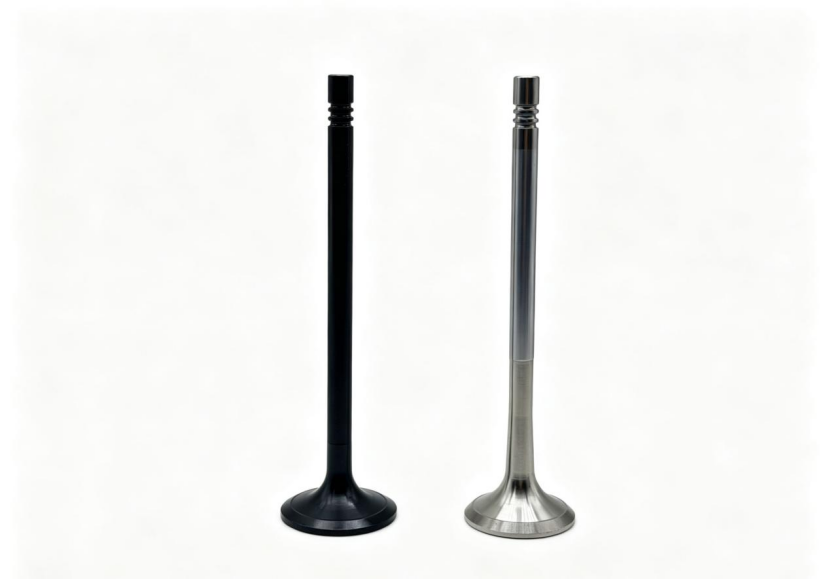
As an auto parts distributor or wholesaler, choosing the right inventory is critical to your long-term success. Engine valves sit at the heart of an engine, controlling air intake and exhaust gas release. Because these components endure high heat and rapid movement, supplying bad valves can damage your reputation and lead to costly returns.
When sourcing parts, distributors face a common choice: OEM engine valves or an aftermarket engine valve supply line. Both options have distinct pros and cons. Understanding these differences helps you make smart inventory decisions and protect your profit margins.
1. What Are OEM Engine Valves?
Original Equipment Manufacturer (OEM) valves are built by the factory that produced the vehicle's original parts, or by a certified partner. These valves match the exact specifications, dimensions, and materials used in the factory engine.
Advantages of OEM Valves
-
Guaranteed Fitment: Precise design eliminates concerns over valve clearance or stem size.
-
Brand Trust: Repair shops and end-users easily trust original parts.
Disadvantages of OEM Valves
-
High Purchasing Costs: Strict licensing and branding markup make OEM parts expensive.
-
Lower Margins for Distributors: High wholesale costs mean lower profit margins for your distribution business.
2. What Is an Aftermarket Engine Valve?
An aftermarket engine valve is produced by an independent manufacturer. These valves serve as direct replacement parts for original components. High-quality aftermarket valves are designed to match OE performance, and some heavy-duty options even exceed standard factory specs.
Advantages of Aftermarket Valves
-
Better Profit Margins: Lower production and brand overhead costs allow for better wholesale margins.
-
Flexible Product Options: Manufacturers often offer specialized materials, upgraded coatings, or performance designs.
-
Higher Supply Availability: Independent factories can produce parts continuously, reducing backorders.
Key Considerations for Distributors
Not all aftermarket parts are created equal. Poorly made aftermarket valves can break down, rust, or leak oil. Therefore, distributors must carefully audit every potential engine valve manufacturer before placing large orders.
3. OEM vs Aftermarket: Quick Comparison for Distributors
To help you decide where to invest your capital, here is a direct comparison of OEM and aftermarket engine valves:
| Feature | OEM Engine Valves | Aftermarket Engine Valves |
| Cost & Wholesale Price | High | Budget-friendly |
| Profit Margins | Moderate to Low | High |
| Fitment Accuracy | Direct OE Fit | Requires verifying valve fitment specs |
| Material Flexibility | Standard Factory Alloys | Standard or Upgraded Heat-Resistant Alloys |
| Supply Chain Speed | Subject to Dealer Network | Flexible & Direct Factory Sourcing |
4. The Essential Valve Quality Checklist for Bulk Buyers
To avoid low-quality parts, use this simple valve quality checklist when evaluating any new supplier or shipment:
-
Material Grade: Verify that the intake valves use high-grade chrome steel and the exhaust valves use heat-resistant stainless or nickel alloys.
-
Dimensional Precision: Check valve head diameter, stem thickness, overall length, and groove shape using digital micrometers.
-
Surface Hardness and Finish: Ensure the stem tip is heat-treated for hardness and polished smooth to prevent wear on valve guides.
-
Concentricity and Balance: Confirm that the valve head is completely straight and aligned with the stem to ensure tight seating in the cylinder head.
-
Corrosion Protection: Check that bulk shipments include anti-rust oil coatings and protective packaging for long-distance transit.
5. How to Choose an Engine Valve Supplier for Wholesale Auto Parts
If you decide to stock aftermarket valves, finding a reliable partner is essential. Knowing How to Choose an Engine Valve Supplier for Wholesale Auto Parts helps protect your business from costly product failures and inventory shortages.
Here are four key steps every distributor should take:
-
Review Production Standards: Ensure the factory operates under quality management systems like ISO 9001 or IATF 16949.
-
Test Physical Samples: Before placing a major engine valve wholesale order, test sample parts for fit, finish, and metal purity.
-
Confirm Supply Capacity: Make sure the supplier can handle large order volumes and deliver consistently on time.
-
Evaluate Packaging: Look for anti-rust protection and individual box packaging to safeguard parts during ocean freight.
Grow Your Wholesale Business with Gold Auto Part
Whether you need OE-equivalent replacements or dependable aftermarket options, partnering with an experienced supplier makes all the difference.
At Gold Auto Part, we specialize in precision manufacturing for high-demand engine components. We enforce strict quality controls, ensure accurate valve fitment, and offer competitive factory-direct pricing to boost your profit margins.
Contact Gold Auto Part today to review our catalog and receive a custom quote on your next bulk engine valve order!


