How to Choose an Engine Valve Supplier for Wholesale Auto Parts
News Details
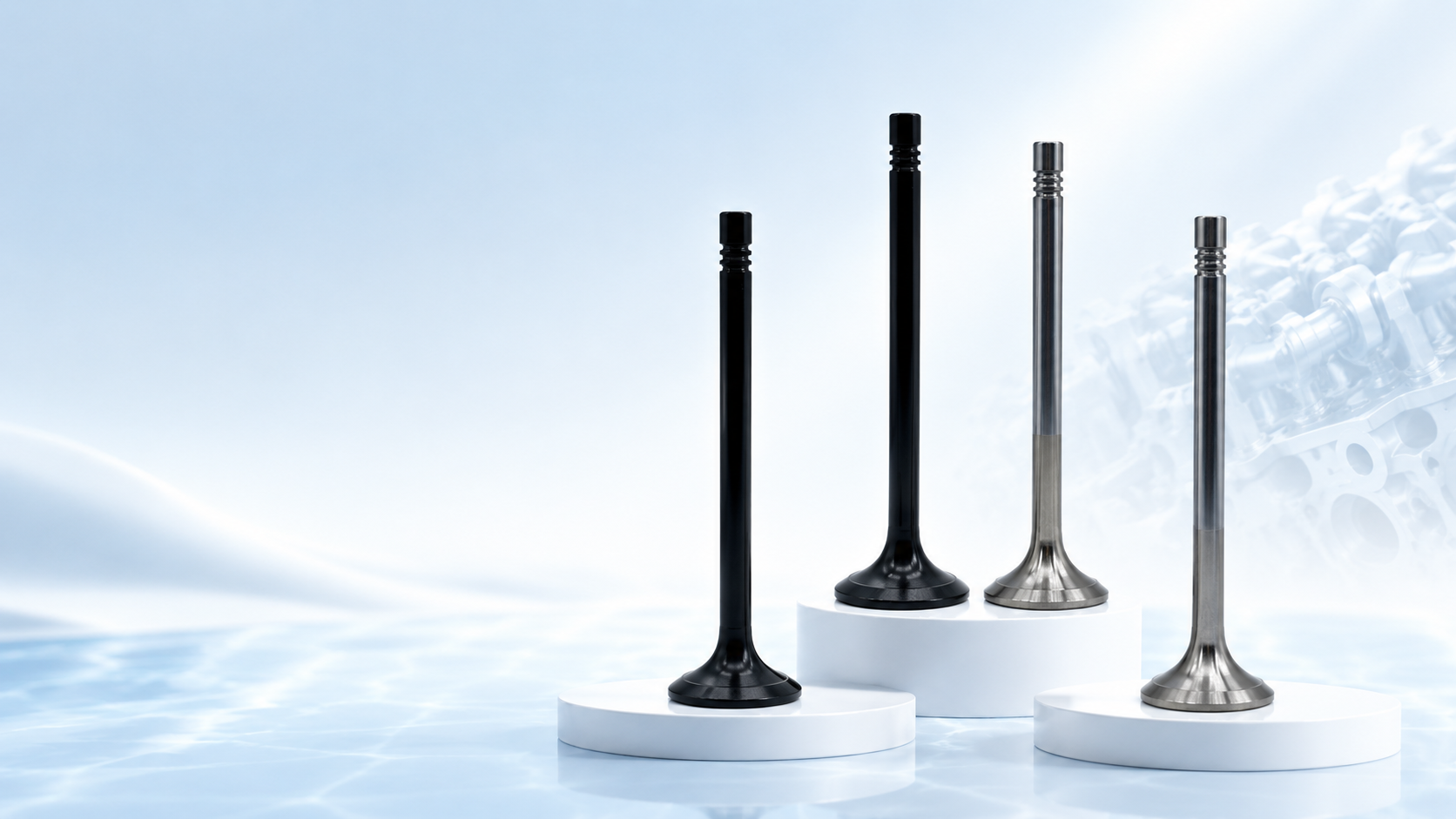
Finding the right auto parts can make or break your business. When you buy parts in bulk, quality and reliability matter most. Engine valves are critical components inside an internal combustion engine. They control the flow of fuel, air, and exhaust gases. Because they operate under extreme heat and pressure, even a tiny defect can cause severe engine damage.
Therefore, picking the bestengine valve supplier is crucial for auto parts distributors, wholesalers, and repair shops. In this guide, we will walk you through the essential steps to choose the right partner for engine valve wholesale orders.
1. Understand the Difference: Intake Valves vs. Exhaust Valves
Before you select a supplier, you need to understand the products you are buying. Engine valves come in two main types: intake valves and exhaust valves. Although they look similar, they serve different functions and require different materials.
-
Intake Valves: These valves allow the air-fuel mixture into the engine cylinder. They operate at lower temperatures than exhaust valves. A skilled intake valve supplier will focus on high flow rates, precise dimensions, and wear-resistant coatings.
-
Exhaust Valves: These valves release burned gases out of the cylinder. As a result, they face extreme heat and corrosive gases. A qualified exhaust valve factory uses heat-resistant alloys, such as stainless steel or Nimonic alloys, to prevent warping and cracking.
When you evaluate a supplier, ensure they excel at manufacturing both types of valves. A complete product line helps you streamline your sourcing process.
2. Check Material Quality and Manufacturing Standards
Quality is the most important factor in wholesale auto parts. Cheap valves made from low-grade metal will fail quickly. This leads to customer complaints and lost business.
To safeguard your brand reputation, verify how an engine valve manufacturer makes their products:
-
Raw Materials: Ask about the steel alloys used. Premium valves use high-grade chrome, manganese, or nickel alloys.
-
Heat Treatment: Heat treatment hardens the valve stem and tip. This process reduces wear and extends the service life of the valve.
-
Surface Finish: Smooth, polished surfaces lower friction and prevent carbon buildup.
-
Certifications: Reliable manufacturers usually hold international quality certifications, such as ISO 9001 or IATF 16949.
At Gold Auto Part, we enforce strict quality control at every stage of production. From raw material inspection to final packaging, every engine valve meets or exceeds original equipment (OE) standards.
3. Evaluate Production Capacity and Wholesale Pricing
When you run a wholesale business, running out of stock can cost you valuable customers. On the other hand, high prices can eat away at your profit margins. Thus, you must find a balance between supply capacity and fair pricing.
When talking to potential suppliers, ask key questions like:
-
What is your monthly production output?
-
What is your Minimum Order Quantity (MOQ) for bulk orders?
-
Do you offer tier discounts for larger engine valve wholesale orders?
-
What is the standard lead time from order to delivery?
A direct exhaust valve factory or manufacturer can offer factory-direct prices without hidden middleman fees. Moreover, large-scale factories can scale production quickly to meet your seasonal demand surges.
4. Test Product Fitment and Model Coverage
Vehicle models vary widely across different markets. A great supplier must offer wide coverage for modern engines, classic cars, trucks, and commercial vehicles.
Before committing to a long-term contract, request product catalogs and physical samples. Test the sample valves for precise fitment, weight consistency, and dimensional accuracy. If a valve stem is even a fraction of a millimeter off, it can cause oil leaks or power loss.
Working with a modern engine valve manufacturer like Gold Auto Part gives you access to a massive catalog of OE-spec engine parts. This allows you to serve more clients with confidence.
5. Inspect Packaging and Shipping Capabilities
Engine valves are delicate precision parts. Scratches on the valve stem or rust on the valve head can render them useless. Thus, high-quality packaging is vital for long-distance transport.
Look for a supplier that offers:
-
Anti-Rust Protection: VCI bags or protective oil coating to block moisture during sea freight.
-
Sturdy Box Packaging: Individual boxes and outer cartons that protect valves from impact damage.
-
Custom Branding: Private label options if you want to sell parts under your own brand name.
Additionally, confirm their shipping terms. Reliable suppliers partner with established global logistics carriers to ensure fast, safe, and trackable deliveries.
Partner withGold Auto Partfor Premium Engine Valves
Choosing the right engine valve supplier requires time, research, and careful evaluation. By focusing on material standards, factory capacity, fitment accuracy, and secure packaging, you can build a profitable wholesale supply chain.
As a trusted auto parts specialist, Gold Auto Part provides top-tier intake and exhaust valves for global buyers. We combine factory-direct pricing with strict quality checks so you get dependable parts every time.
Ready to grow your auto parts business? Contact Gold Auto Part today to get a custom quote on your next engine valve wholesale order!


